

When drought conditions settle over the Lowcountry, the conversation around water shifts from routine to responsibility. According to Hilton Head Public Service District General Manager Pete Nardi, now is exactly the time for residents to take a closer look at how water is used at home—especially outdoors.
Watering Wisely Starts at Home
Irrigation systems are often the quiet culprits of water waste. They run early, out of sight, and sometimes out of sync with what landscapes actually need.
On Hilton Head Island, a year-round ordinance limits irrigation to two days per week. It’s a simple rule with a meaningful impact, particularly during dry stretches.
But compliance alone isn’t the finish line. Efficiency is where real conservation happens.
A few practical checkpoints for homeowners:
- Make sure your rain sensor is active and working so systems don’t run during or after rainfall
- Inspect sprinkler heads to confirm they’re watering landscaping—not sidewalks or asphalt
- Adjust zones seasonally so you’re not overwatering
When irrigation is dialed in correctly, landscapes stay healthy without excess. For more information about water efficiency, click here.
A Living Example: The Demonstration Garden
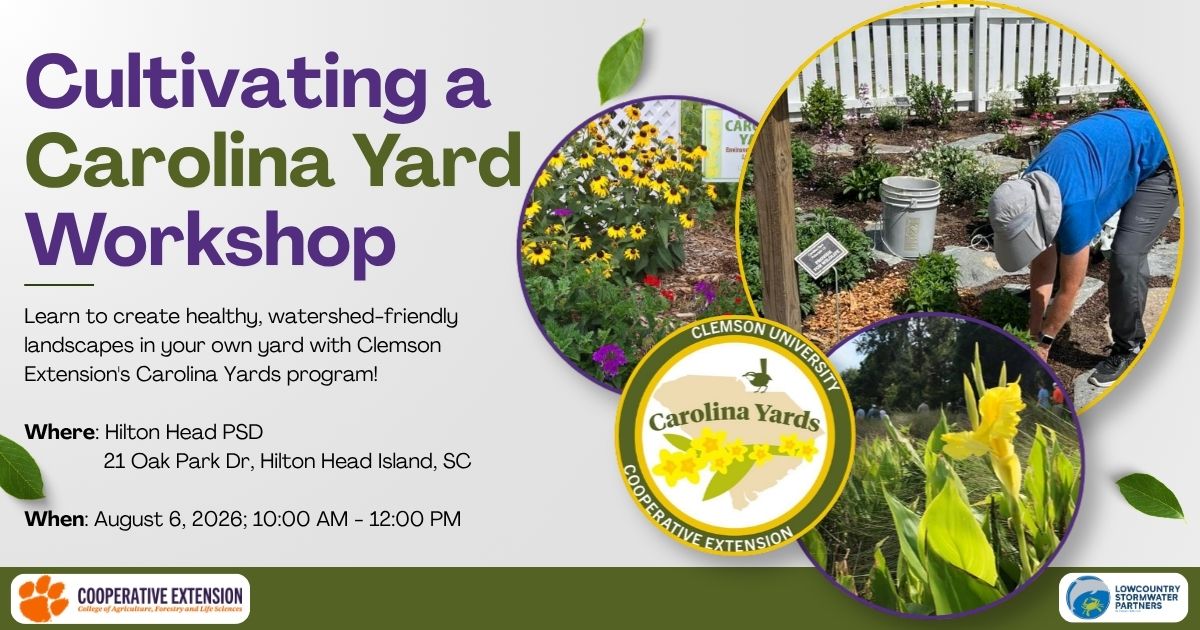
In front of PSD’s offices at 21 Oak Park Drive, a new demonstration garden is taking root—literally and figuratively. The garden showcases native, water-efficient, bird-friendly plants designed to thrive in the Lowcountry climate with minimal irrigation.
This project is a collaboration between Hilton Head Public Service District, Hilton Head Audubon Society and the Lowcountry Master Gardeners. The Junior League of Hilton Head Island helped plant the garden on Earth Day.
A ribbon cutting is scheduled for the morning of May 30 in front of the Hilton Head PSD office on Oak Drive, where Master Gardeners and Audubon members will be on-site to answer questions and share insight.
The goal is simple but powerful: To give residents a real-world example of what a beautiful, sustainable landscape can look like—without heavy water use.
Over time, this space is meant to function as a practical guide. Not a brochure. Not a concept. A living, growing reference point.
Strengthening the Water Supply: PSD Infrastructure Projects
While conservation happens at home, resilience is being built behind the scenes.
PSD is nearing completion on a major expansion of its reverse osmosis treatment plant on Jenkins Island. The project includes:
- A new well tapping into the brackish aquifer
- Expansion of treatment capacity from 4 million to 6 million gallons per day
This effort has been years in the making, supported by the community, PSD’s Board of Commissioners, the Town, and a $10 million grant from the State of South Carolina.
At the same time, PSD is constructing a second Aquifer Storage and Recovery (ASR) well. This system allows treated drinking water to be stored underground during lower-demand winter months and retrieved during peak summer usage. The goal is to strengthen emergency and disaster recovery readiness.
Both are expected to be fully operational by the end of 2026.
A Shared Responsibility
Water management isn’t just about infrastructure or ordinances. It’s a shared rhythm between public systems and private habits.
From adjusting irrigation timers to rethinking landscaping choices, small decisions compound—especially during drought conditions.